We know what your machines run on
The bearings each industry uses most, what usually fails, and exactly what to send so you get the right part the first time.
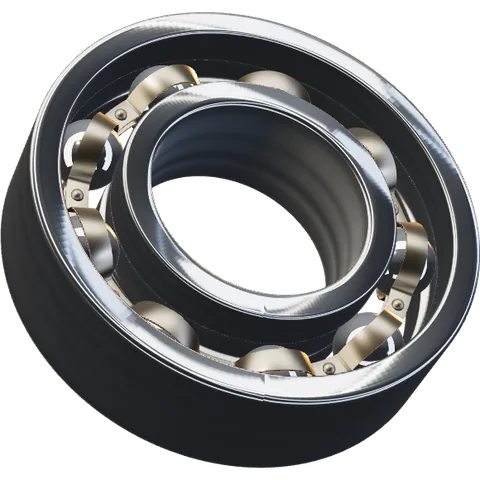
Electric motors & pumps
Most motors and pumps run on deep groove ball bearings, sealed or shielded, usually with C3 clearance. Large motors add a cylindrical roller bearing on the drive end for belt load.
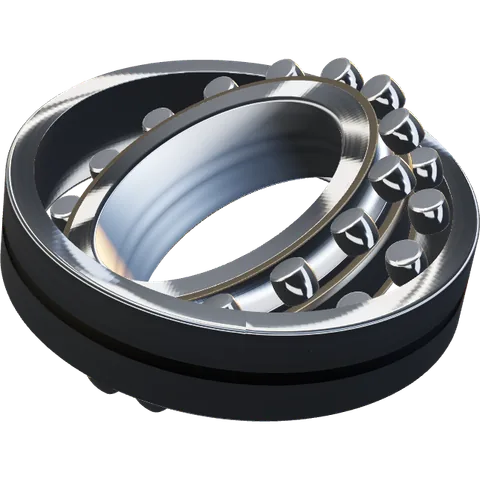
Cement, mining & crushers
Heavy, shock-loaded and dusty: spherical roller bearings in split plummer blocks, often on adapter sleeves. Vibrating screens need bearings made for vibration and larger clearance.
Sugar mills
Mill rollers, cane carriers and centrifugals run spherical and taper roller bearings under heavy, wet conditions, so sealing and greasing matter as much as the bearing.
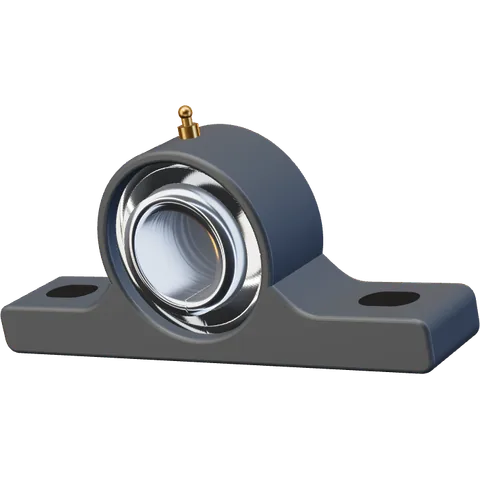
Conveyors & material handling
Pulleys run on pillow block units or plummer blocks; idlers use sealed deep groove ball bearings. Dust and water ingress are the usual killers.
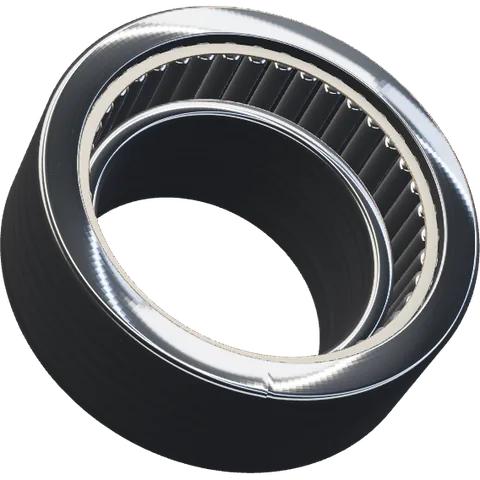
Textile & spinning
High speeds and lint: small sealed ball bearings and needle bearings, plus timing belts on many drives.
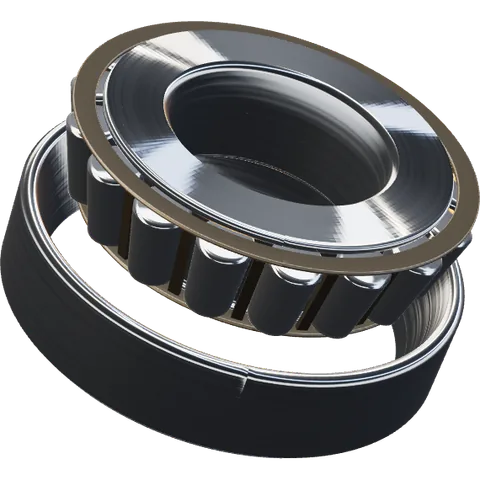
Gearboxes
Taper roller bearings in pairs carry gear thrust; cylindrical rollers take the heavy radial load. Replace with the same type and set the end play to the manual.
Automotive & tractors
Wheel hubs and differentials use taper roller bearings, many in inch sizes (LM, HM); gearboxes use needle and ball bearings.
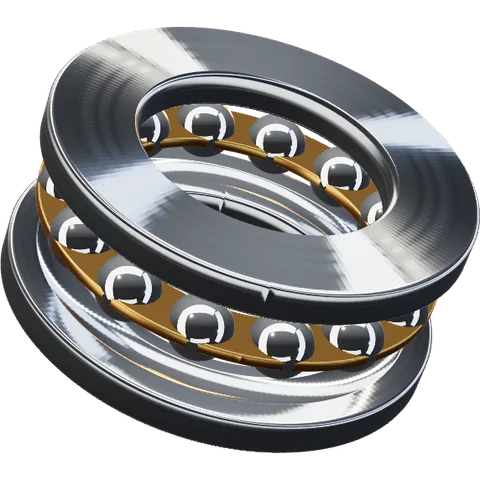
CNC & machine tools
Spindles use precision angular contact bearings in matched sets; axes run on linear guides and ball screws. Precision class and preload must match the original.
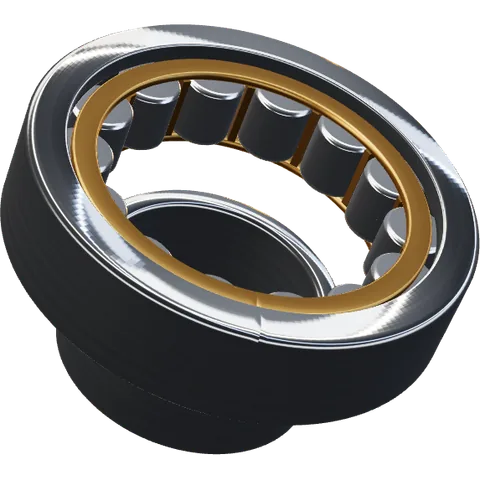
Wind, power & heavy industry
Large spherical and cylindrical roller bearings for fans, mills and gear drives. Lead times can be long, so plan spares.